
Remote Delivery Rituals for Consulting Teams
Remote consulting teams face unique challenges in maintaining alignment, accountability, and momentum across distributed environments. This article compiles proven rituals and structured practices that help teams stay synchronized without relying on constant meetings or status updates. Drawing on insights from experienced consultants and team leaders, these 24 strategies offer practical frameworks for improving delivery outcomes in remote settings.
Growth Cadence Drives Aligned Accountability
In a remote delivery model our single most effective ritual is a weekly cross-functional "Growth Meeting" that aligns every team around one north-star metric. We keep the meeting short and data-first, with each function bringing one idea tied to that metric so priorities are visible across time zones. Every item ends with a named owner, a clear deadline, and a defined measurement so experiments ship instead of lingering. That shared cadence and public metrics create accountability and a steady pace because teams report back on results and adjust quickly.
Split Hours Balance Alignment And Focus
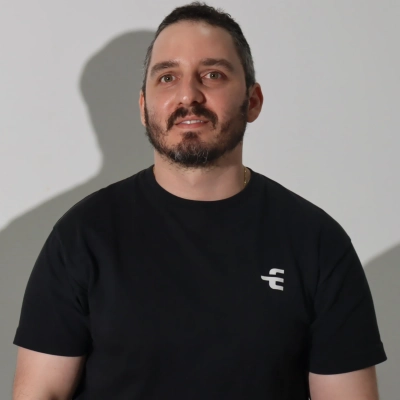
At Column Five, the ritual that made the biggest difference is a daily split of company-wide communication hours and protected flow hours. From 9 AM to 1 PM PST we schedule meetings and cross-team checks so everyone has an overlap window to align priorities and resolve blockers. From 1 PM to 5 PM PST we limit contact to immediate team needs, preserving uninterrupted time for focused work and quality control. That predictable rhythm reduces context switching, makes deadlines and handoffs clearer across time zones, and keeps pace steady without constant interruptions.

Shadow Ownership Elevates Quality And Continuity
Many remote teams have attempted to remedy scheduling issues across time zones through coordination; we have discontinued all efforts at coordination.
The change agent for us was what you can call 'shadow ownership'.
Rather than pass work off, all critical tasks are assigned to two owners in different time zones, one owner leading, the other observing. The purpose of the observer is to question, refine, and to be prepared to take over the lead at a moment's notice if momentum slows down.
As a result, there is an element of productive tension associated with this process. Instead of being put on hold, the task continues to develop and evolve, while waiting for the lead to wake up. When the lead wakes up, their task has previously been improved and/or challenged by the observer.
The surprising element of this process is increased quality, rather than decreased quality. The reason is that all work that is completed by a lead, has also been completed by another brain.
In addition, this process eliminates the conventional remote bottleneck, where the progress of work is dependent on someone being present and 'online' to receive feedback.
The important takeaway from this process is: Rather than optimizing for handoff's, optimize for overlap of thought processes.
When two separate minds in different time zones are responsible for producing the same result, consistency is no longer an issue to be managed, but an inherent characteristic of the system.

Guest Signals Guide Real-Time System Fixes
Running a 15-unit rental operation across Detroit and Chicago -- while managing guest communications, maintenance, and bookings across different time zones -- teaches you fast that you can't rely on being available 24/7 to keep quality consistent.
The biggest lever for us wasn't a tool -- it was **closing the feedback loop in real time**. When guests told us they wanted clearer property orientations, we didn't just note it -- we turned that into walkthrough videos embedded directly on each property page. That one change improved booking conversions and visibly lifted guest satisfaction. The lesson: let your customers tell you where the gaps are, then document the fix so it runs without you.
The ritual that made the biggest difference for us is what I call the **"guest signal review"** -- a regular pass through every review and inquiry to spot friction patterns before they become defaults. In logistics and freight, I learned that small inefficiencies compound fast across a fleet. Same principle applies here: one unclear check-in instruction at 11pm EST becomes a pattern that quietly erodes your ratings across time zones.
If you're remote and multi-market, stop trying to manage people across time zones and start managing **documented systems** that people plug into. That's how you scale without becoming the bottleneck.

Outcome-Driven Sprints Maintain Cohesive Momentum
I keep work quality and pace consistent across time zones by running parallel sprints across strategy, design, and client communication and aligning everyone around shared weekly outcomes. Those weekly outcomes act as a single source of truth so people can work autonomously while moving toward the same priorities. The ritual that has made the biggest difference is a short weekly alignment and handoff session that clarifies expectations, deliverables, and time zone dependencies. Paired with intentional overcommunication and trust, that rhythm keeps momentum steady and reduces confusion.

Written Monday Reports Reveal Patterns Early
One ritual: weekly EA reports reviewed by Quality Managers every Monday.
Every EA submits a structured report covering what got done, what got stuck, and whats coming next. Our QMs review these first thing Monday regardless of timezone. By midday we have full visibility across every client relationship in the company.
This sounds basic but most remote teams rely on live check-ins for quality control. That breaks across timezones because someone is always in an inconvenient slot. Written reports eliminate that problem - the EA writes when it suits them, the QM reviews when it suits them, and nothing waits for a synchronized meeting.
The bigger impact: patterns surface faster in writing than in conversation. When an EA writes "client was unresponsive this week" three weeks in a row, thats visible immediately in the report trail. On a call that same concern gets buried under other topics and forgotten.
We layer bi-weekly one-on-ones on top for the human connection piece. But the weekly written report is what actually keeps quality consistent across Sweden, Portugal, Hungary, Brazil, Australia and everywhere else our team sits.

End-Of-Day Notes Eliminate Handoff Lag
The ritual that changed everything was what we call the async handoff note. It's a short written update never more than five or six sentences posted at the end of each person's working day summarising three things: what they completed, what's blocked, and what the next person picking up the work needs to know. No templates, no forms, just a brief honest note in a shared channel.
Before we introduced this, mornings in every time zone started the same way thirty minutes of scrolling through messages trying to piece together what had happened overnight. People pinged colleagues who were now asleep, waited hours for answers to simple questions, and either guessed or stalled. Work didn't flow across time zones. It stopped and restarted with a lag every single handover.
The handoff note fixed the lag by giving each time zone a clean starting point. When someone in London opened their laptop, they knew exactly where Sydney had left things. When the New York team came online, London's notes were already waiting. The rhythm meant nobody wasted their freshest morning hours on detective work.
What made it stick was keeping it simple and refusing to let it become a reporting exercise. Early on a manager tried turning it into a structured status report with fields and categories. Participation dropped immediately because it felt like paperwork rather than communication. We pulled it back to the original format a few honest sentences written for the person who needs them, not for leadership oversight.
The unexpected benefit was accountability without surveillance. When you know a colleague on the other side of the world is depending on your note to start their day productively, you naturally wrap up your own work more intentionally. People stopped leaving tasks in ambiguous half-finished states because they knew someone would inherit the confusion in a few hours.
Pace became more consistent because the work never truly stopped moving. Instead of three separate teams working in parallel and syncing up in painful weekly calls, we had a single continuous workflow that passed smoothly between time zones like a relay baton. Deliverables that previously took five days started finishing in three simply because dead time between handovers disappeared.

Role-Based Days Restore Deep Craft
When you're a solo founder working from home, the "remote delivery model" is just your life — and the biggest threat to quality isn't a time zone gap, it's context switching. Running WhatAreTheBest.com means I rotate between developer, editor, SEO strategist, and affiliate manager roles daily. The ritual that made the biggest difference was batching by role, not by task. Mondays I write and edit evaluations. Tuesdays I handle technical work — page templates, schema markup, database queries. Wednesdays are for backlink vetting and outreach. The quality improvement was immediate because I stopped trying to evaluate a SaaS product's evidence citations while simultaneously debugging a ColdFusion template. Single-context days produce better work than multitasking hours.
Albert Richer, Founder, WhatAreTheBest.com

Pre-Dusk Utility Sync Prevents Delivery Issues
As owner of DFW RV Rentals, I've coordinated nationwide RV deliveries for insurance-displaced families, placing units within 48-72 hours even to rural Texas spots like Ray Roberts Lake across time zones.
We standardize quality and pace with checklists like the cold-weather setup sequence--level, chock, skirt, connect power first--and hookup routines with surge protectors and hose slopes, handled by on-site teams under our 24/7 oversight.
One ritual stands out: our pre-dusk utility sync call, where delivery crews confirm power, propane, and sewer before handover, bridging time gaps and preventing issues like frozen lines during Texas winter swings.

Open Town Halls Sustain Transparent Flow
With 25 years of experience as an attorney and executive coach, I've helped businesses transform high-turnover cultures into award-winning workplaces. I maintain quality across time zones by emphasizing "Realness" and "Accountability," ensuring leaders communicate with total transparency so every remote employee knows their exact role in the strategic mission.
To keep the pace consistent, I leverage tools like **Slack** or **Microsoft Teams** to facilitate real-time dialogue and immediate feedback loops. This approach prevents the misalignment of goals and ensures that physical distance does not lead to a loss of direction or focus for the team.
The ritual that makes the biggest difference is the **"Responsive Open Town Hall"** combined with monthly one-on-one check-ins. Implementing these structured touchpoints has led to a 40% improvement in employee satisfaction scores and a 25% increase in engagement by prioritizing human connection over simple task management.
Leading by example is crucial; if you are accessible and supportive, your staff will reciprocate that energy across any distance. By fostering an environment where remote workers feel genuinely valued and heard, you create a culture that drives sustainable growth and high-level productivity.

Planned Overlap And Protocols Enable Clarity
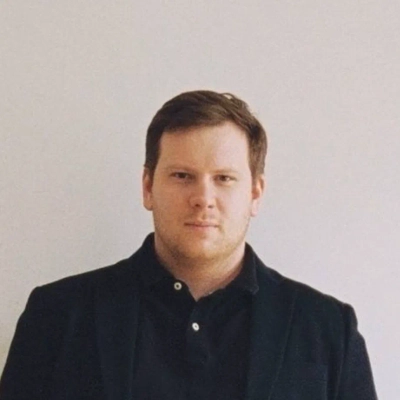
The starting point is overlap. If your time zones only share one or two hours, consistent collaboration is nearly impossible. You need at least three to four hours of overlap to build a functional rhythm.
From there, the biggest difference maker is scheduled clarity. Map out recurring meetings in advance so everyone knows exactly when important discussions happen. That alone eliminates most of the anxiety around bothering a colleague at 3 am, because there is already a defined time for everything that matters.
Also worth building: a clear protocol for urgent meetings. When something comes up that cannot wait, everyone should know the exact flow for calling an emergency sync across time zones. Without that, urgent situations create chaos.
One practical thing we do: every team member's working hours and current local time are visible in our internal system. When you can see at a glance that it is 11 pm for your colleague, you make better decisions about when to reach out.
Nick Anisimov
Founder, FirstHR
https://firsthr.app
https://www.linkedin.com/in/nickanisimov/
Leader Consistency Establishes Predictable Habits
I keep work quality and pace consistent across time zones by treating team processes like a wellness routine: focus on behavior, consistent habits, and measurable outcomes. That means predictable touchpoints, communicating early and clearly rather than once, and making expectations visible so teams can align despite different schedules. The ritual that has made the biggest difference is leadership modeling of consistency, showing up reliably and reinforcing the habit of regular communication. We then measure progress quarterly and adjust when outcomes do not improve.
Interactive Polls Replace Passive Updates
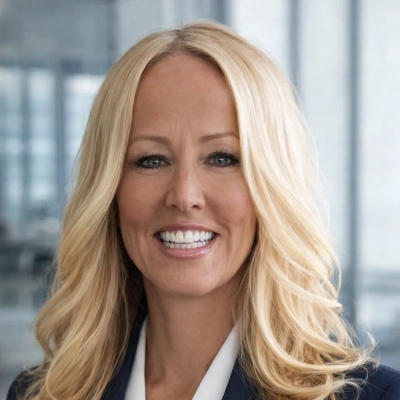
As President of EnformHR, I've spent years helping organizations navigate remote collaboration and strategic planning across diverse workforces. I've found that maintaining pace across time zones requires moving away from simple "shop talk" and toward structured, transparent communication.
To keep quality consistent, we use the S.M.A.R.T. formula to ensure every objective is measurable and time-bound, preventing the ambiguity that often leads to disengagement. We also leverage DiSC training as a primary tool to help team members understand each other's behavioral styles and adapt their communication for better asynchronous teamwork.
Our most effective ritual is replacing the standard progress report with interactive live polling and Word Clouds during team meetings. This encourages immediate, honest feedback from everyone--especially less extroverted members--and ensures our remote culture stays focused on shared accomplishments rather than just individual tasks.

Afternoon Standup Forces Focused Throughput
I ran competitive intelligence and international BD at Northrop Grumman, where teams were distributed and decisions had to stay tight; now I run Technology Aloha remotely delivering branding + high-conversion websites for small businesses and nonprofits. Consistency across time zones comes from treating work like a system: one source of truth, explicit quality gates, and very small "decision surfaces" so nobody has to guess.
The biggest lever for pace is limiting WIP and forcing decisions into a predictable cadence. For web/marketing work, I define a "definition of done" per deliverable (UX, SEO, performance basics, conversion intent) and I don't let anything move stages without a quick checkpoint--otherwise time zones just amplify rework.
One ritual that made the biggest difference: an afternoon stand-up I run even if I'm solo, adapted from engineering. Three hours before end-of-day I answer: what must ship today, what gets pushed, and what gets pulled forward only if today's list is complete; then I reorder tomorrow's tasks and rank priorities (I use Todoist for this).
That ritual keeps quality up because I'm not starting mornings in triage mode, and it keeps pace up because everyone is working the next most valuable, unblocked item--not the loudest Slack message that happened while someone else was asleep.

Daily Micropractice Compounds Consistent Progress
I keep work quality and pace consistent across time zones by centering our remote delivery on a short, daily practice that each client completes within their own schedule. My core ritual is 15 to 20 minutes of daily practice, which I recommend instead of infrequent long sessions. That steady, bite-sized practice builds speech habits and muscle memory and keeps progress predictable regardless of time zone. Making the daily practice a non-negotiable part of the program has been the single change that made the biggest difference.
Socratic Supervision Sustains Depth And Pace
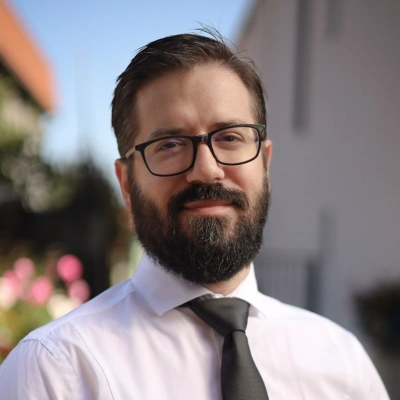
As Clinical Director of Therapy24x7 and a consultant for the International Society for Mental Health Online, I specialize in maintaining clinical depth and structural change within digital and hybrid environments. We ensure quality by moving beyond surface-level productivity to address the "internal architecture" of the mind that drives professional performance.
Consistency in remote delivery is achieved by identifying "repetition compulsions" where high-achievers engage in low-value overwork to soothe an underlying achievement-driven anxiety. By focusing on the root causes of executive burnout rather than just "skills," we maintain a pace that is both disciplined and sustainable across time zones.
The ritual that has made the most impact at Therapy24x7 is our adherence to a "consistent weekly format" of Socratic, insight-oriented supervision. This deep, relational work prevents the "hypervigilance" of constant connectivity and ensures our clinicians remain aligned with our practice's high-intent, psychodynamic standards.
To protect your work quality, you must separate your humanity from your productivity and address the "unconscious grief" often triggered by modern life transitions. Shifting your focus from "quick-fix" metrics to long-term psychological health is the only way to sustain excellence in a 24/7 digital landscape.

Resilience Drills Shorten Recovery Time
At Impress Computers, we've powered remote IT delivery for Houston manufacturers and construction firms since 1993, guaranteeing 15-minute responses--like remotely fixing a client's VPN shared drive at 12:30 AM so their team could work immediately.
Quality and pace stay consistent across time zones by prioritizing recoverable systems over bulletproof ones, using cloud models for real-time file sharing and device flexibility that scales without hardware limits.
We define "back to normal" upfront in every plan, as in migrating SolidWorks data to a new server and remapping user PCs seamlessly.
The one ritual making the biggest difference: Weekly kickoffs asking teams, "If something small went wrong today, how long to get everyone back to work?" It exposes fuzzy responsibilities and timezone gaps before they slow delivery.

Phased Ramp-Up With Employees Ensures Uniformity
In a remote delivery model, you keep quality and pace consistent by standardizing the work method and building in real accountability, so outcomes do not depend on who is online at the same time. In my business, choosing W-2 employees instead of contractors made that possible because it lets us train to one standard and reinforce it consistently. The one ritual that has made the biggest difference is our phased onboarding: new hires shadow a team lead for at least two weeks, then move to supervised work, and only then take independent assignments. We back that up with routine spot-check quality inspections, which keeps expectations clear and performance steady across teams and schedules.

Regular Why-Review Drives Incremental Improvements
In a remote delivery model, consistency across time zones comes from clear, shared standards and a process everyone understands, but also one that is reviewed often so it does not turn into unchallenged routine. The biggest lever is making work visible and decisions easy to track so teams can hand off cleanly without relying on real time explanations. One ritual that has made the biggest difference for me is a recurring "why are we doing it this way" review of our delivery process, where the team flags steps that slow us down or weaken quality. It keeps us from protecting outdated habits and helps us make small improvements without trying to overhaul everything at once. Over time, that discipline protects both pace and quality, even when the workday is spread across multiple regions.

Shared Prompt Labs Boost Reliable Output
To keep quality and pace consistent across time zones, we standardize workflows and invest in building team AI skills so tasks require fewer clarifications and less rework. The single ritual that made the biggest difference is a dedicated skills-development session where we refine common prompts and workflow templates together. That practice reduces unnecessary re-prompts and helps team members produce reliable outputs without waiting for synchronous handoffs. I also document the refined prompts and templates so work moves smoothly across time zones.
Evidence Uploads Verify Milestones And Standards
Since 2025, I've scaled Root Management to 1,450 doors while reducing turn durations from 37 to 18 days by standardizing operations across diverse portfolios. Managing high-stakes projects like "The Bend" student housing community taught me that quality depends on transparent, real-time data accessible to all stakeholders regardless of their location.
We maintain consistency by utilizing **Buildium** to house every request, quote, and invoice in one connected workflow. During the renovation of "The Bend," we shared drone footage and daily video walkthroughs to keep residents and owners aligned, which helped us achieve over 90% occupancy in the first year.
The ritual that makes the biggest difference is our **"Proactive Evidence Sync."** We require teams to upload visual proof for every milestone of our 4,495 annual work orders, ensuring our "People-First" standards are met across all time zones without requiring my physical presence at the property.

End-Week Capstones Synchronize Feedback And Rigor
At DSDT College, we run 100% online accredited programs nationwide for transitioning soldiers, veterans on the Post-9/11 GI Bill, and spouses via MyCAA, serving students across all US time zones in MRI tech, CompTIA cybersecurity, and AI engineering.
We standardize quality and pace with Canvas LMS for daily quizzes and assignments, pre-recorded sessions, and interactive virtual labs--mirroring on-campus rigor for everyone from Detroit to Hawaii.
Our biggest ritual? Ending each week with live online capstone reviews and Q&A, like in our AI Prompt Specialist program where students present multimodal projects; it syncs feedback across zones and boosts accountability.
This remote model powers our Army CSP partnerships, letting soldiers earn ARRT Primary Pathway credentials pre-ETS without relocation.

Constant Asset Maps Prevent Compliance Drift
I manage IT and cybersecurity for hybrid teams in regulated industries, leveraging Azure high-availability and Secure VOIP to keep operations seamless across any time zone. We eliminate remote work bottlenecks by providing a 90-second helpdesk response, ensuring that technical issues never derail the pace of delivery.
We maintain quality by enforcing Zero Trust identity and app controls, which automatically align every remote user's activity with rigid frameworks like CMMC 2.0 and HIPAA. This technical guardrail ensures that security and performance are demonstrable and consistent, regardless of where the work is being performed.
Our most effective ritual is the "Continuous Asset Mapping" review, where we verify technology inventories and data flows daily to prevent compliance drift. By treating documentation as a live operational discipline rather than a yearly exercise, we identify threats like smishing early and keep global teams audit-ready every day.
Pre-Briefs Align Context For Instant Interpretation
I manage a nationwide network of certified interpreters providing 24/7 Video Remote Interpreting (VRI) across all 50 states. We maintain consistency by requiring RID and BEI certifications, which ensure every professional meets the same national standards for ethics and fluency regardless of their location.
To keep the pace of communication seamless in high-stakes settings like telehealth or legal hearings, we utilize secure, encrypted video platforms for instant, on-demand connections. This removes the variable of travel time and allows us to match the right specialist to a client's specific time zone and industry needs within seconds.
Our most effective ritual is the "Pre-Assignment Briefing," where we integrate client-provided agendas and terminology lists into our preparation workflow. This practice ensures our interpreters are fully grounded in the context of the event, preventing delays and maintaining a natural conversational flow.