

The brief
The Source for Consulting Professionals





5 on the panel
Ask What Must Be True
When a client pushes back on fee late in the process, the instinct is to defend the number. What actually protects the price without stalling the deal is asking one question instead: "what would need to be true for this fee to make sense to you?"
That question does two things. It moves the conversation off the number itself and onto whatever assumption is driving their hesitation, usually a scope concern or a doubt about ROI they haven't said out loud. And it keeps the deal moving because you're solving their actual objection instead of negotiating against yourself with a discount.
On a recent SEO engagement where the client's finance team pushed back on our monthly retainer late in contracting, that question surfaced that they were comparing our fee against a freelancer quote for content writing alone, not a full SEO program. Once we broke down what was actually included, the fee stopped being the issue. We didn't discount a dollar, and the deal closed within the week. Defending a number is a fight. Asking what would make it make sense is a conversation, and it usually gets to the same place faster.
Connect Investment to Results
Consulting fees are rarely challenged because of price alone. Late-stage objections usually signal that the business value has not been fully quantified. The most effective way to protect pricing without slowing negotiations is to shift the discussion from cost to measurable outcomes. A phrase that consistently preserves trust is: "The investment reflects the business outcome, not simply the hours required to deliver it." That subtle reframing changes the conversation from expense to return. Research from the Project Management Institute (PMI) shows that organizations with mature project management practices waste significantly less investment due to better project performance, reinforcing that expertise creates measurable financial value. Maintaining confidence in pricing while transparently connecting fees to risk reduction, efficiency gains, and long-term business impact often leads to stronger partnerships than negotiating discounts.
Confirm Scope Remains Unchanged
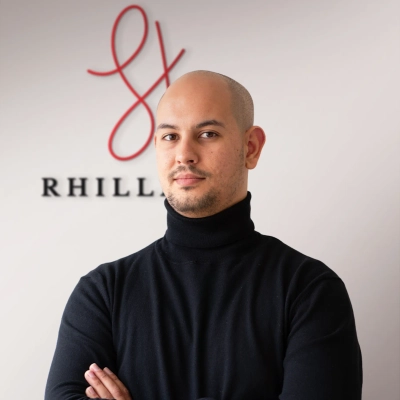
Nassira SennouneSEO Consultant · Originn PropertiesA client negotiating a retainer for a luxury property portfolio came back three weeks into contracting and asked me to cut the monthly fee by twenty percent, after we'd already agreed on scope. My instinct the first time this happened, years ago, was to just take the hit to close the deal. It cost me on every project after that one, because the client remembered the number I'd defended, not the one I'd folded on.
Now the phrase I use is simple: I ask what changed in the scope we agreed on. Usually nothing did, and saying that out loud, calmly, puts the burden back on them to justify the ask instead of on me to justify the price. In that Marrakech deal, the answer was that a second decision-maker had joined the call and wanted to look like they'd negotiated something. I offered to hold the fee and extend the contract by one month at no charge instead, since that cost me far less than a permanent price cut would have.
The trust stays intact because I'm not stonewalling, I'm trading something cheap for me for something that matters to them. A permanent discount compounds every renewal after. A one-time concession on timeline doesn't.
Highlight Compliance Risk and Phase Work
Sundram GuptaFounder & Chartered Accountant · Patron Accounting LLPWhen clients fight the fee at the end, I just point out the cost of a compliance screw-up. Startups can't afford that risk. I try to be clear about the price and offer to break the work into chunks. I tell them, "This covers the regulatory heavy lifting, but we can split it up if you need to." It shows we can work with them without dropping our rates.
Trim Deliverables to Fit Budget
Vardan Ter-AntonyanFounder and Managing Principal · Ter-Antonyan Consulting LLCI've found that the worst time to negotiate your value is after you've started defending your hourly rate. Once the conversation becomes about the number, you've already lost some control over it.
When a client tells me my fee is higher than they expected, I don't immediately lower the price. Instead, I ask what they're trying to accomplish within their budget. Sometimes they need the full project. Other times, they only need help getting past one technical hurdle. Those are very different conversations.
One approach that's worked well for me is adjusting the scope instead of the rate. If the budget is fixed, I'll suggest a smaller first phase, fewer deliverables, or a shorter engagement. That allows the client to stay within budget without changing the value of the work. If they decide later that they need additional support, we expand from there.
The phrase I probably use most often is, "I'm happy to adjust the scope, but I'd rather not reduce the standard of the work." That changes the discussion. Instead of negotiating the price of my expertise, we're deciding which parts of the project create the most value.
I've found that serious clients usually respect that approach. They may ask for a smaller engagement, but they rarely continue pushing for a discount because the conversation has shifted from cost to priorities.
In consulting, your fee tells clients something about your confidence in the value you provide. If you lower it too quickly, people naturally wonder whether it was negotiable all along. I'd rather be flexible about the work than uncertain about the value behind it.